


























You’re choosing a kitchen colour you’ll live with for the next 5 to 10 years. You’ll see those cabinets 700+ times this year. Every morning making coffee, every evening cooking dinner, every time you walk through. Choose the wrong colour and every glance reminds you of that decision.
Kitchen colours aren’t just about aesthetics. They set the mood in the room where you spend 2 to 3 hours daily cooking, cleaning, living. Get it right and the kitchen feels intentional. Get it wrong and the space fights you.
Most kitchen colour advice comes from showrooms and magazines. White cabinets photograph beautifully. Navy blue looks sophisticated in catalogs. But showroom lighting doesn’t reveal turmeric stains. Magazine shoots don’t include the wear test or the monsoon check.
Here are 12 colour combinations tested in actual Indian homes where people cook daily:
1. Grey Kitchen Combination
Grey doesn’t get the attention white does, but it’s often the smarter choice. It hides what white reveals immediately. Dust, fingerprints, cooking splatter. Grey gives you modern aesthetics with a maintenance plan built in.
What works:
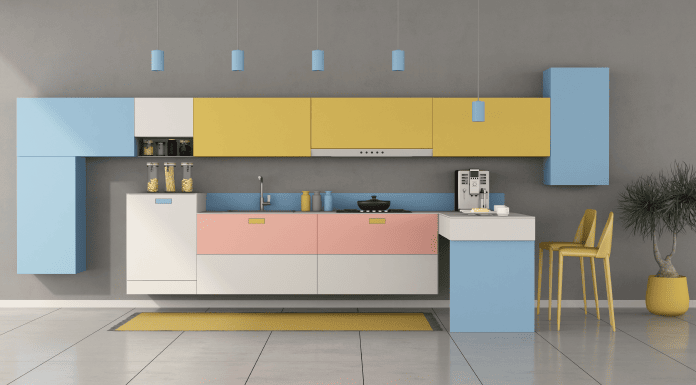
Pair light grey cabinets with white walls for that clean look, minus the daily wiping. Want more warmth? Charcoal grey cabinets with beige walls give you contemporary style without the cold edge. Need energy? Grey base with yellow accents through bar stools, pendant lights, or one backsplash wall.
One thing about grey: it needs decent natural light. In kitchens with small windows or north-facing exposure, stick to light grey tones. Charcoal grey in a dim kitchen feels like cooking in a cave.
Small kitchens under 80 sq ft should use light grey only. Dark grey shrinks visual space in compact areas. For ways to coordinate grey with adjacent rooms, see living room colour combinations that work with kitchen tones.
2. White + Any Colour Combination
White’s still the most popular choice for a reason. It makes small kitchens feel bigger, reflects light, and pairs with anything you add later. But there’s a catch most people discover too late.
What works:
White cabinets with navy blue walls create sophisticated contrast while hiding cooking stains better than all-white. White cabinets with wooden countertops add natural warmth without the starkness of pure white. White base with pastel accents like mint, peach, or light blue lets you add personality through accessories.
The reality check:
All-white kitchens show everything. Turmeric stains. Oil splatter. Dust. Fingerprints. If you cook Indian food daily, all-white means constant maintenance. It’s not just about cleaning more. It’s about the kitchen looking dirty between cleanings.
Better approach: White upper cabinets (they stay cleaner, away from cooking zones) with darker or patterned lower cabinets (they face maximum wear). This gives you the clean aesthetic where people see it most while adding durability where you need it. Learn about smart home storage solutions to maximize your cabinet functionality.
3. Yellow Kitchen Combination
Yellow wakes kitchens up. It’s energizing in a way neutral colours aren’t. There’s a reason Vastu connects yellow to fire. Cooking spaces need that energy.
What works:
Soft yellow walls with white cabinets add warmth without overwhelming compact spaces. The yellow provides energy, the white keeps it from feeling heavy. Yellow lower cabinets with white uppers create a two-tone approach with personality. Cream base with mustard accents through backsplash or bar stools adds depth without full commitment to yellow.
The size factor:
Bright yellow feels claustrophobic in small kitchens under 80 sq ft, especially with limited natural light. Use it as accent colour there. Pale yellow or cream works as base colour in compact spaces. Large kitchens over 120 sq ft can carry bright yellow without visual overload. That’s when yellow really works. When it has room to breathe.
Yellow also works well as an accent colour connecting indoor and outdoor spaces. See balcony decoration ideas for ways to extend your kitchen colour palette outdoors.
4. Blue Kitchen Combination
Blue’s the sophisticated option. Dark blues like navy add richness without the starkness of black. Light blues feel airy without white’s maintenance burden. It’s the colour that makes kitchens feel intentional.
What works:
Navy lower cabinets with white upper cabinets prevent dark colours from swallowing the entire space while keeping brightness at eye level. Light blue walls with white or grey cabinets create fresh, clean aesthetics. Blue-grey cabinets with brass hardware add metallic warmth that balances blue’s naturally cool tones.
The light requirement:
Dark blues need daylight. Without adequate natural light or strong artificial lighting, navy blue kitchens feel dim by late afternoon. If your kitchen has one small window, choose light blue or use dark blue only on one accent wall, not all cabinets. Test your blue choice under your actual kitchen lighting before committing.
For maintaining the fresh feel of blue kitchens year-round, see monsoon home care tips to prevent dampness and maintain cabinet finishes.
5. Two-Tone Kitchen Combination
Can’t decide between light and dark? Two-tone kitchens let you have both. Different colours for upper and lower cabinets create visual depth while hiding wear where it actually happens.
What works:
White upper cabinets with wood-finish lower cabinets is the classic combination. Upper stays clean (away from cooking, less handling), lower hides wear naturally. Grey upper cabinets with navy lower cabinets create modern, bold contrast while maintaining brightness at eye level. Cream upper cabinets with sage green lower cabinets add subtle colour with sophisticated balance.
Why this works:
Upper cabinets stay cleaner. No cooking splatter reaches them. Less daily handling. This lets you use lighter colours up top while allowing darker, more practical colours below. Lower cabinets face maximum wear from cooking, spills, daily life. Keeping them darker isn’t compromise. It’s design that acknowledges how kitchens actually get used.
Two-tone approaches also complement minimalist home design principles by creating visual interest without clutter.
6. Beige + Wood Combination
Beige with wood tones is the timeless choice that never looks dated. It’s warm, neutral, and hides wear better than white while remaining light enough for small spaces.
What works:
Beige cabinets with walnut or teak wood countertops create natural warmth. The beige provides neutral base, the wood adds character. Beige walls with light wood cabinets keep the space bright while adding subtle texture. Beige base with darker wood accents through open shelving or cabinet frames adds depth without overwhelming.
Why this combination survives:
Beige sits between white and brown. It reflects enough light to work in compact kitchens but hides dust and cooking residue better than pure white. Wood tones add warmth that prevents beige from reading as bland. Together they create kitchens that feel established rather than trendy.
This works across both traditional and contemporary styles. Add brass hardware for traditional aesthetic. Add matte black handles for modern look. For coordinating this palette with your overall living space, explore interior design ideas for luxury living rooms.
7. Sage Green + Cream Combination
Sage green is the calming alternative to grey. It brings natural, botanical feel without the coldness of grey or the starkness of white.
What works:
Sage green lower cabinets with cream upper cabinets create soft, sophisticated two-tone effect. Sage green walls with white or cream cabinets add colour without commitment to green cabinetry. Cream base with sage green backsplash or island provides accent without overwhelming the space.
The appeal:
Sage green works in kitchens where grey feels too industrial and beige feels too conventional. It’s distinctive without being bold. Calming without being boring. The colour reads as intentional design choice rather than default neutral.
Pair sage green with natural materials like wood, stone, or brass rather than chrome or stainless steel. This enhances the botanical, organic feel. Adding indoor plants near windows reinforces the natural aesthetic.
8. Black + White High Contrast
Want drama? Black and white creates the boldest kitchen combination. High contrast, high impact, high maintenance.
What works:
Black lower cabinets with white upper cabinets prevent the space from feeling too dark while creating strong visual statement. White cabinets with black countertops and hardware add definition without full commitment to black cabinetry. Black accent wall with white cabinets provides dramatic backdrop without overwhelming.
The requirements:
This combination needs excellent natural light. Black absorbs light, so without strong daylight or good artificial lighting, the kitchen feels cave-like. Regular cleaning is mandatory. Black shows dust and fingerprints as clearly as white shows stains. You’re committing to constant wiping.
Small kitchens should avoid this combination entirely. Black shrinks visual space. Only kitchens over 100 sq ft with large windows can carry black and white successfully.
9. Terracotta + White Combination
Terracotta brings earthy warmth without the heaviness of brown or the formality of beige. It’s distinctive, warm, and increasingly popular in contemporary Indian homes.
What works:
Terracotta backsplash with white cabinets adds warmth without full colour commitment. Terracotta lower cabinets with white uppers create grounded, earthy two-tone effect. White base with terracotta accessories through pottery, canisters, or dish towels lets you test the colour before committing to permanent installation.
The character:
Terracotta reads as intentional design choice. It signals someone made deliberate colour decision rather than defaulting to white or beige. The colour works particularly well in kitchens with natural light, where the orange-red undertones come alive.
Pair terracotta with natural wood, brass, and cream rather than chrome or grey. This maintains the warm, earthy palette rather than creating temperature conflict.
10. Walnut Brown + Off-White Combination
Rich wood tones with light contrast create kitchens that feel established and substantial. This combination signals quality construction and timeless design.
What works:
Walnut brown lower cabinets with off-white uppers create classic two-tone approach with warmth. Walnut wood cabinets throughout with off-white walls provide rich, enveloping feel while maintaining brightness through walls. Off-white base with walnut wood countertops or open shelving adds warmth without dark cabinetry commitment.
Why walnut specifically:
Walnut has rich brown tone with subtle grey undertones that prevents it from reading as orange or yellow like lighter woods. It’s sophisticated, mature, substantial. The colour hides wear exceptionally well while maintaining visual interest through natural wood grain.
This combination works particularly well in medium to large kitchens where the dark wood tones have room to breathe without overwhelming the space.
11. Monochrome Grey Combination
All-grey kitchens using 3 to 4 different grey shades create sophisticated, cohesive spaces. This is grey taken seriously as design strategy rather than neutral default.
What works:
Light grey uppers with medium grey lowers with charcoal grey countertops creates tonal variation within grey family. Three shades of grey cabinetry (light, medium, dark) across different cabinet zones adds depth. Grey cabinets with grey-veined marble or quartz countertops maintains cohesion while adding pattern through stone.
The execution:
Success requires using greys with same undertone. All warm greys (beige-grey) or all cool greys (blue-grey). Mixing warm and cool greys creates muddy, confused palette. Test your grey samples together under your kitchen lighting before committing.
This approach works best in contemporary or minimalist kitchen designs where material quality and subtle variation create interest rather than bold colour contrast.
12. Red + Green + Grey Combination
Want your kitchen to stand out? Three colours in one space is bold. It’s unconventional. And it’s easy to mess up without a system.
The system is the 60-30-10 rule: 60% base colour, 30% secondary, 10% accent. Without this discipline, the kitchen reads as chaotic rather than intentional.
How to execute:
Start with grey cabinets as your 60% base. Add a mint green wall for 30% coverage. Red appears in the final 10% through dish towels, one accent wall, or small appliances. Grey grounds it, mint adds freshness, red creates energy in controlled doses.
Alternative approach: Green lower cabinets (60%), white upper cabinets (30%), red backsplash (10%). This creates zone separation while maintaining visual interest.
This combination requires confidence. If you’re uncertain about pulling it off, choose something safer. A confused three-colour kitchen is harder to fix than a boring two-colour one.
Choosing Based on Your Kitchen Reality
Size determines your colour freedom. Small kitchens under 80 sq ft need light colours to feel spacious. White, cream, light grey, pale yellow, beige. One accent maximum. Medium kitchens between 80 and 120 sq ft can handle one bold colour balanced with neutrals. Navy lowers with white uppers, grey with yellow accents, sage green with cream. Large kitchens over 120 sq ft support darker colours or multiple-colour combinations like black and white, all walnut, or three-colour schemes.
Natural light determines colour viability. Good daylight supports any colour including dark blues, blacks, and rich browns. Limited daylight requires lighter colours and strong artificial lighting to prevent dim spaces.
Indian cooking reality affects colour longevity. White and light colours show turmeric, oil, and smoke stains fastest. Medium tones like grey, beige, sage green hide everyday wear better. Dark colours like walnut and navy hide wear best but need adequate lighting. Glossy or semi-glossy finishes wipe clean easier than matte in cooking environments with oil and moisture.
During hot months, kitchen colour choices affect perceived temperature. See ways to keep your home cool in summer for additional comfort strategies beyond colour selection.
What Matters More Than the Colour
Material quality determines longevity more than colour choice. Builder-grade finishes yellow, chip, or fade within 18 months regardless of colour. Premium finishes in any colour last 5+ years. The colour matters less than the coating quality underneath.
Lighting transforms how colours read. Navy blue looks sophisticated in daylight, oppressive under yellow tube lights. Sage green looks fresh in natural light, muddy under poor artificial lighting. Terracotta glows in morning sun, flattens in evening fluorescent. Test your colour choice under your actual kitchen lighting at different times of day, not showroom spotlights.
Maintenance willingness determines what works. White and black both need daily wiping. Grey and beige hide neglect for 3 to 4 days. Walnut and navy hide neglect for a week. Be honest about your maintenance commitment before choosing.
Key Takeaways
- White and beige photograph well but require different maintenance levels
- Grey, sage green, and medium tones balance aesthetics with practical upkeep
- Two-tone combinations hide wear strategically while creating visual interest
- Bold options like black-white or terracotta need adequate space and light
- Natural wood tones add warmth and hide wear exceptionally well
- Small kitchens need light colours; large kitchens support bold or dark choices
Conclusion
Kitchen colours set the room’s mood for the next 5 to 10 years. Choose based on your actual space size, natural light situation, and honest assessment of your maintenance willingness. Not just what looks good in magazine spreads.
At Honer Homes, kitchen design accounts for how people actually use the space, not just how it photographs. Explore our residential projects like Honer Signatis in Kukatpally, Honer Aquantis in Gopanpally, and Honer Richmont near HITEC City to see colour choices in completed kitchens across different layouts and sizes.
Frequently Asked Questions
Medium greys, beiges, and sage greens hide turmeric, oil stains, and dust better than pure white or very dark colours. Walnut brown and navy blue hide wear best overall but need good lighting. Semi-glossy finishes clean easier than matte in environments with oil and moisture from daily cooking.
White with wooden accents remains most popular. It balances modern aesthetics with warm tones. Two-tone combinations with white or cream upper cabinets and darker lower cabinets are increasingly common because they hide wear where it happens while maintaining brightness. Beige with wood is second most popular for its timeless appeal.
Use dark colours as accents, not dominant shades. Dark blue on one wall or lower cabinets only, paired with white or light grey elsewhere. Black and white high contrast doesn’t work in spaces under 80 sq ft. All walnut can work if the kitchen has excellent natural light, but test first.
Beige with wood accents, cream with walnut, and sage green with cream work across styles. Add brass hardware for traditional aesthetic. Add matte black or chrome handles for modern look. Same base colours, different hardware and details shift the style entirely.
Neutral tones sell fastest. White with wood, beige with wood, grey with white, and cream with sage green appeal broadly. All-white, all-black, or bold three-colour combinations polarize potential buyers. Bold colours work if execution is flawless, but mediocre bold colours hurt resale by limiting buyer pool.
Grey suits contemporary or minimalist aesthetics and needs good natural light. Beige suits traditional or transitional styles and works in limited light. If your kitchen has small windows, choose beige. If you have large windows and prefer modern look, choose grey.